PTL vs FTL Services: Comparing Cost, Speed & Cargo Safety
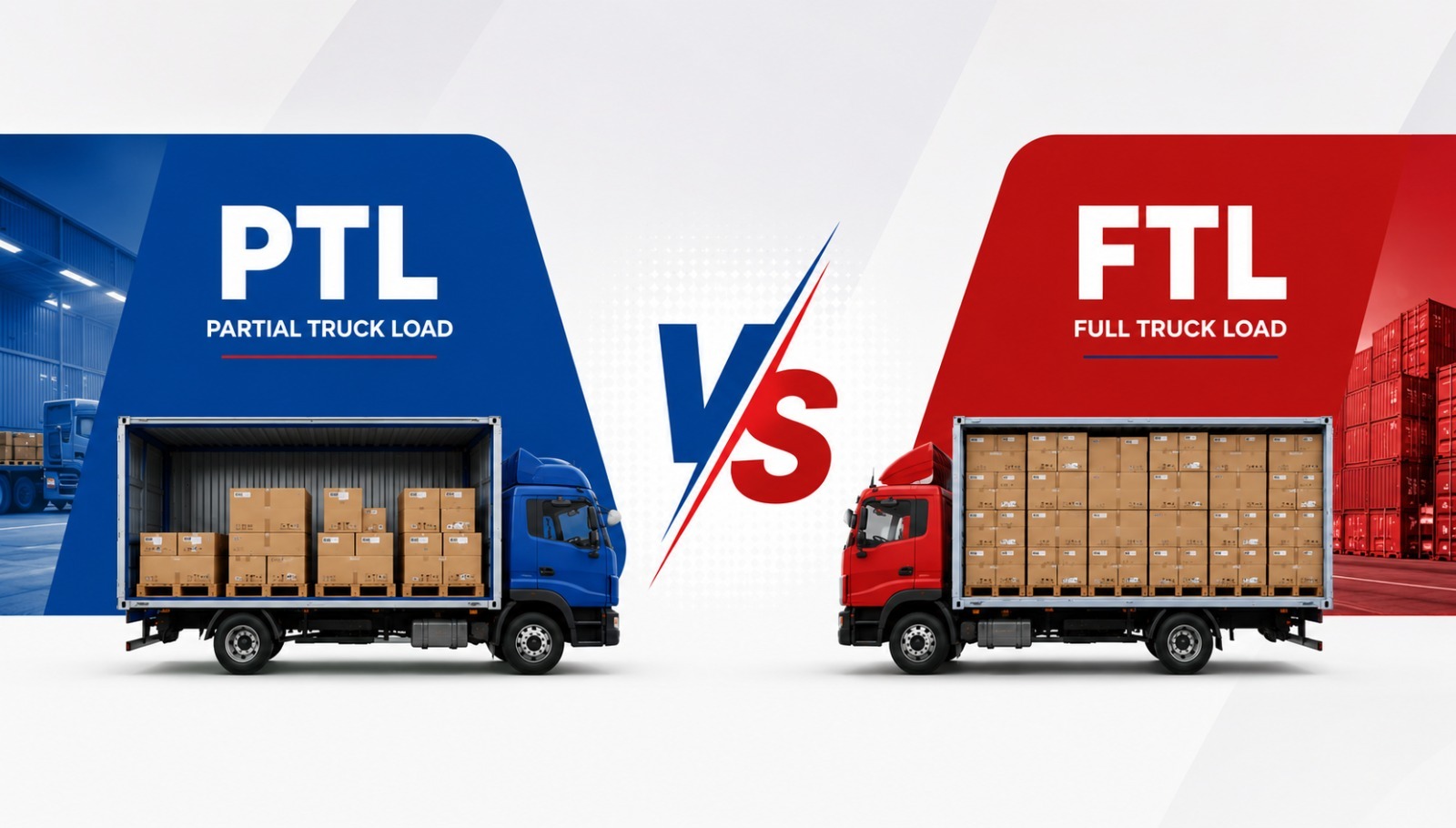
Selecting the correct freight model is important for businesses that want to control transportation costs, improve shipping efficiency, and protect cargo. When comparing PTL vs FTL Services, shipment size, delivery timeframe, and handling requirements are among the many factors that can heavily influence the final decision.
Both shipping methods have their own pros and cons depending on the business. Understanding the differences between FTL and PTL shipping can help businesses choose which shipping method is best for their business. This blog highlights the differences between PTL and FTL services, comparing the factors you should consider, such as cost, transit time, safety of cargo, and use cases when applying in practice for business.
Understanding PTL and FTL Freight Models
Before comparing PTL vs FTL services, you must learn how these freight models work. Both are commonly used for delivering goods, but they vary in how truck capacity is allocated and managed.
Partial Truckload Freight (PTL)
Partial truckload freight enables multiple enterprises to combine their shipments and fill a shared truck. This transportation method is often used for a shipment that does not need a whole vehicle, and ensures businesses make transportation capacity savings.
Full Truckload Services in India (FTL)
Full truckload services in India consist of a dedicated truck capacity for a particular shipment. Since the whole vehicle is dedicated to only one customer, the freight is loaded directly without having any other shipment sharing the space.
Understanding these freight models is the starting point for comparing the differences between FTL and PTL shipping and choosing the right option for specific shipping needs.
PTL vs FTL Services: Key Differences at a Glance
In addition to transportation expenses, organizations should examine several factors when evaluating PTL vs FTL services. The difference between FTL and PTL shipping can affect delivery time, shipment flexibility, cargo handling, and overall logistics efficiency. Although Partial Truckload Freight caters to items that do not fill up a truck, Full Truckload Services in India can help you with full truckload services even if you have larger consignments or shipping deadlines.
| Factor | PTL (Part Truck Load) | FTL (Full Truck Load) |
|---|---|---|
| Capacity | Shared | Dedicated |
| Cost | Per Space | Per Truck |
| Transit | Multiple Stops | Direct |
| Handling | Higher | Lower |
| Load Size | Medium | Large |
| Flexibility | Shared | Dedicated |
| Safety | Moderate | Higher |
Even though both shipping models can facilitate efficient cargo transportation, the better choice ultimately depends on the shipment volume, delivery requirements, type of cargo, and budget.
Comparing Costs: PTL vs FTL for Different Shipment Sizes
Cost is usually one of the first considerations for a business when selecting a freight model. But the best value choice can vary depending on the volume of the shipment, the nature of the transportation, and delivery needs.
When PTL Offers Better Cost Efficiency
Partial truckload freight is a good option for smaller businesses that do not have enough to load an entire truck. Businesses only pay for the portion of the truck they take, and the cost is divided over several shipments, which helps reduce freight costs.
For example, a firm that needs to ship a few pallets of goods may find that PTL is cheaper than booking a truck for a half-full load.
When FTL Becomes More Cost-Effective
FTL Logistics Solutions can offer a more cost-effective solution for larger shipments. The use of an entire truck for one shipment provides your business with dedicated capacity, fewer handling points, and greater control over your transportation strategy.
If shipment volumes regularly use most or all of a truck's space, FTL offers a more efficient solution than sharing space with other consignments.
When selecting the freight model, businesses should consider shipment size, delivery expectations, and operational priorities rather than focusing exclusively on transportation expenditures.
How Transit Time Varies Between PTL and FTL
When comparing PTL vs FTL Services, Transit time is a key factor to consider by which businesses that handle time-sensitive deliveries plan their transports. The differences between FTL and PTL shipping become more apparent when it comes to the urgency of shipment and delivery schedules.
PTL Transit Time
- Shipments share truck space with other consignments.
- Vehicles may make multiple pickups and deliveries along the route.
- Delivery times will vary depending on shipment consolidation and routing needs.
FTL Transit Time
- Full Truckload Services in India use a dedicated vehicle for a single shipment.
- Goods typically move directly from pickup to destination.
- Fewer stops in-between means firms get to keep more predictable delivery times.
In businesses where speed and schedule reliability are the most important priorities, knowing how each freight model affects transit time can help in transportation planning.
Cargo Safety in PTL and FTL Shipping
For shipping fragile, high-value, or sensitive goods, the safety of the cargo is a critical factor in choosing a freight model. The biggest difference between FTL and PTL shipping is the number of handling touchpoints during transit.
With PTL shipments, cargo may be loaded and unloaded with other consignments as the truck drives on.
In contrast, FTL Logistics Solutions offers dedicated truck capacity for one shipment. Because the product stays in the same vehicle throughout its journey, companies can enjoy:
- Reduced cargo handling during transportation
- Greater shipment control and visibility
- Lower risk of mixing goods with other consignments
- Better suitability for fragile or high-value cargo
The choice of transport depends on the shipment characteristics, but companies that value cargo protection are often in favor of dedicated transport solutions to ensure peace of mind.
A Practical FTL vs PTL Logistics Guide for Businesses
Choosing the right freight model is more than just transportation costs. A successful FTL vs PTL logistics guide must account for not only shipment size and delivery deadlines but also cargo handling needs and business goals.
Partial Truckload Freight offers many advantages for organizations with lower shipment volumes and flexible shipping schedules, whereas FTL Logistics Solutions can provide a better solution for businesses with large volumes of goods to move, time-sensitive shipment schedules, or a need for dedicated truckload capacity.
Before making a decision, evaluate:
- Shipment volume
- Delivery urgency
- Cargo type
- Budget considerations
- Handling and safety requirements
Businesses can choose a freight model best suited to their operational and transportation objectives by evaluating these factors.
Conclusion
Deciding PTL vs FTL Services demands thoughtful evaluation of cargo demand, delivery schedule, shipment quantity, and spending on freight. While each freight model has its own benefits, the best way to meet your operational objectives depends on your business priorities and needs.
By assessing the cost, transit time, and cargo safety, organizations can determine the most appropriate freight model for their organization. Whether you’re using shared transportation or dedicated FTL Logistics Solutions, making a well-informed choice can help improve freight flow and enhance supply chain performance. OnPointLogistics helps businesses simplify these choices with reliable and scalable transportation solutions.
FAQs
1. What is the main difference between PTL and FTL shipping?
The main difference between PTL and FTL shipping is truck utilization. While PTL loads the truck alongside other shipments, FTL loads the truck for a single customer.
2. When should businesses choose Partial Truckload Freight?
Partial Truckload Freight is perfect for businesses that only have the cargo capacity to fill part of a truck and want to get the best rate by paying for just the space used.
3. Are FTL Logistics Solutions better for time-sensitive deliveries?
Yes, FTL Logistics Solutions is helpful in time-sensitive shipments because cargo is sent in a dedicated vehicle, thereby reducing layovers, handling, and the need for breaks.
4. How can businesses choose between PTL vs FTL Services?
When choosing between PTL and FTL services, businesses should consider shipment volume, delivery timelines, type of cargo, budget, and handling requirements before deciding.
5. What should businesses include in an FTL vs PTL logistics guide?
An ideal FTL vs PTL logistics guide should examine shipment volume, transport requirements, issues of cargo security, shipping costs, and business goals to come up with the best freight transportation system.