How to Reduce Transportation Costs Without Sacrificing Speed
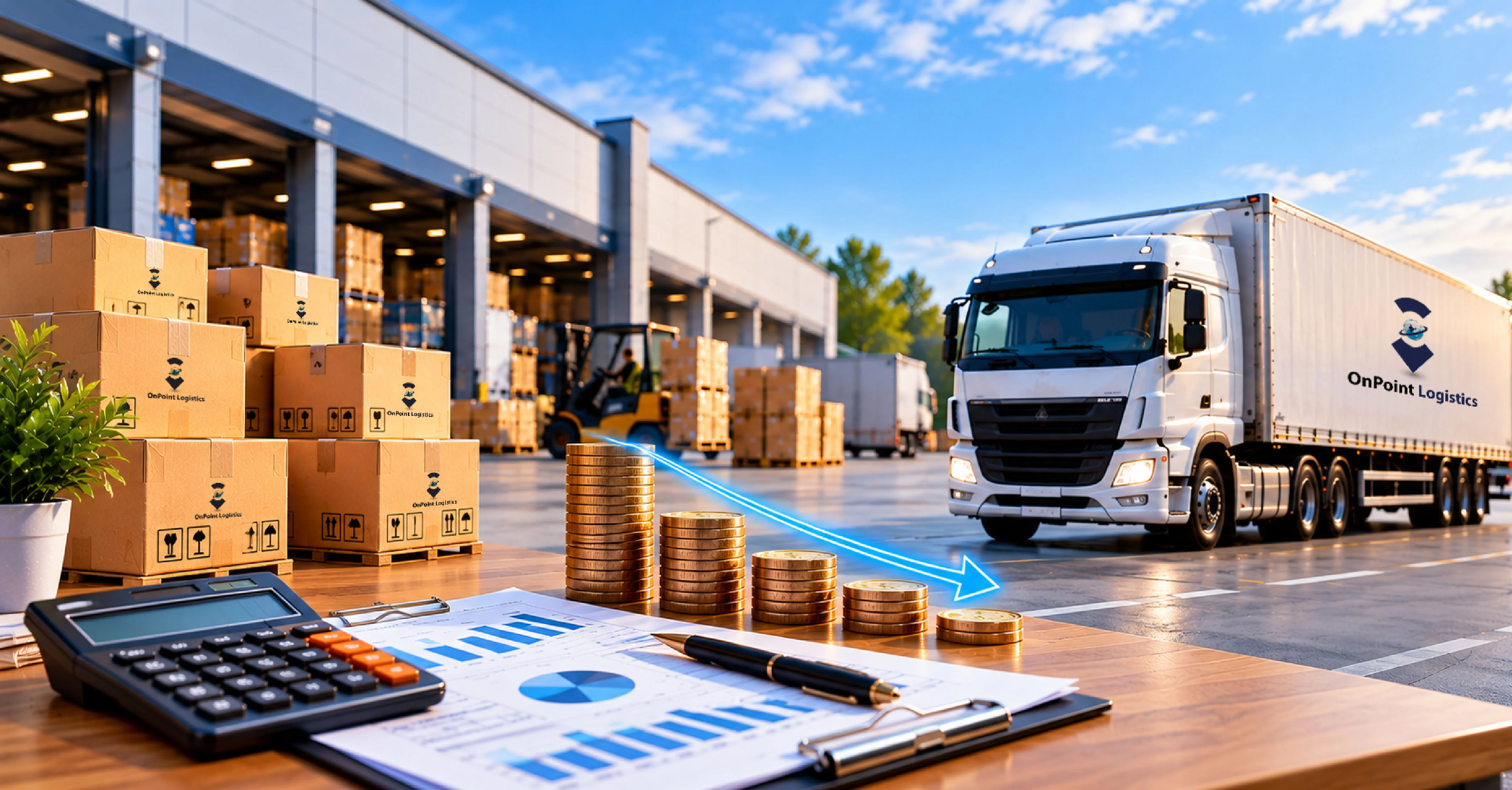
Transportation costs can rise even when shipment volumes remain stable. The additional expenses appear because of inefficient route planning, underused vehicle space, extended wait times at pick-up and delivery locations, and unsuccessful delivery attempts. These costs tend to accumulate gradually through regular decisions rather than a single mistake.
According to the Government of India’s published logistics cost assessment, logistics costs were estimated at 7.97% of GDP in 2023-24. The assessment, prepared by NCAER for DPIIT, covers the broader logistics system, including transportation, storage and warehousing, material handling and other related costs. The figure covers the wider logistics system rather than transport alone, but it underlines why efficient movement matters to businesses.
The goal is to reduce transportation cost without sacrificing speed. The better approach is to remove avoidable waste, improve planning, and match each shipment with the right service level without weakening delivery performance.
How to Calculate the Real Cost of Transportation
Begin with the cost of the movement itself, and then add costs created by how the shipment is planned and conducted.
Real transport cost = freight charges + fuel/tolls + loading/unloading + handling + waiting + reattempts + shipment-specific operating costs
When there are recurring lanes, businesses should also consider cost per kilometre and cost per shipment to analyze performance over time. The key here is consistency in cost measurements while performing comparisons between routes, carriers, or means of transport.
For example: Consider a situation where a shipment with a lower freight rate might end up being a higher one when it comes to distance travelled, waiting time, multiple handlings, and non-delivery. Focusing on the full movement will help businesses reduce transport cost based on the performance of operations.
Key Cost Drivers in Transportation
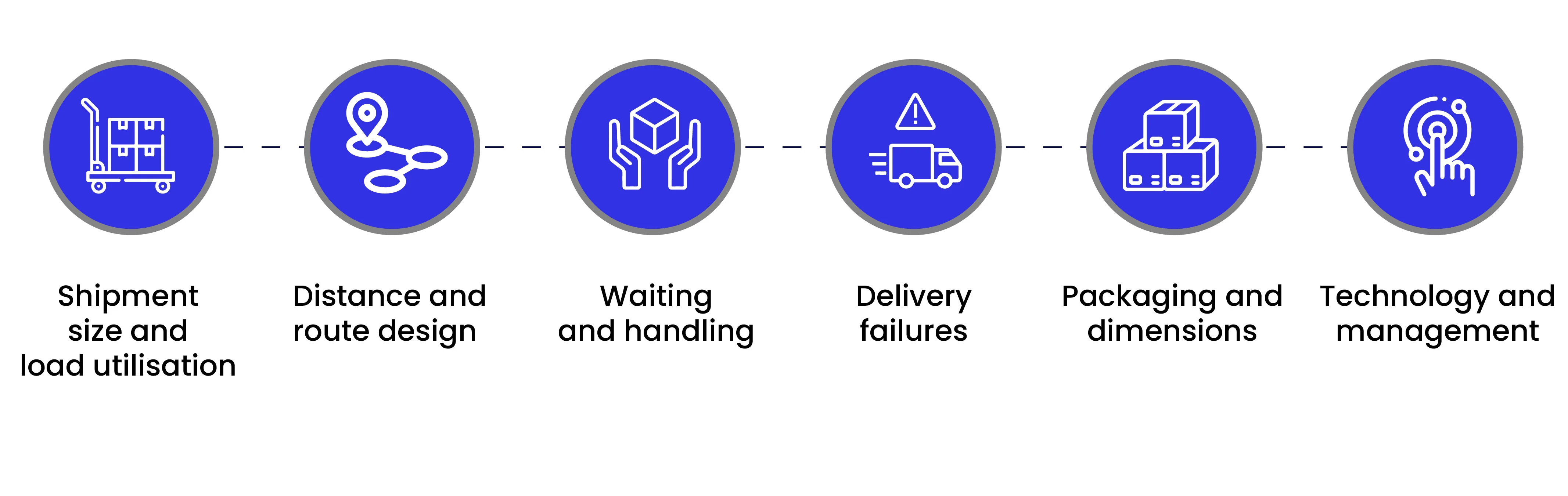
Several operational decisions influence the final spend.
Shipment size and load utilisation: The expenses for unused vehicle space increase the cost allocated to each shipment. Forcing incompatible orders into single movements leads to operational delays and requires additional handling work.
Distance and route design: The delivery of goods requires drivers to travel additional distances, which results in higher fuel expenses and longer operation times. The delivery process becomes more time-consuming when multiple delivery points exist, and the system lacks proper scheduling.
Waiting and handling: Vehicles that spend too long at pickup or delivery points are not being used productively. The process of repeated loading, unloading, and transferring goods creates extra work for staff members and handling expenses.
Delivery failures: The need for further delivery attempts arises because of missed appointments, incorrect delivery information, and unavailable receiving teams. When delivery attempts fail, it leads to reattempts requiring vehicles to drive additional distances.
Packaging and dimensions: The weight of shipments, together with their occupied space dimensions, are determined through packaging choices. Also, poor packaging fails to provide proper protection, making goods more likely to get damaged during handling.
Technology and management: The process of planning, tracking, documentation, and coordination of operations requires organizations to use their available resources. If the system lacks sufficient visibility, it creates difficulties for identifying costs that could have been prevented.
Understanding these drivers helps businesses reduce transport cost by addressing the source of unnecessary expenditure instead of focusing only on the freight invoice.
Choosing the Right Transport Mode
Each shipment requires its own particular combination of speed, capacity, and service level. Businesses that transport complete vehicle loads encounter different cost dynamics than those who distribute multiple small shipments throughout their operations.
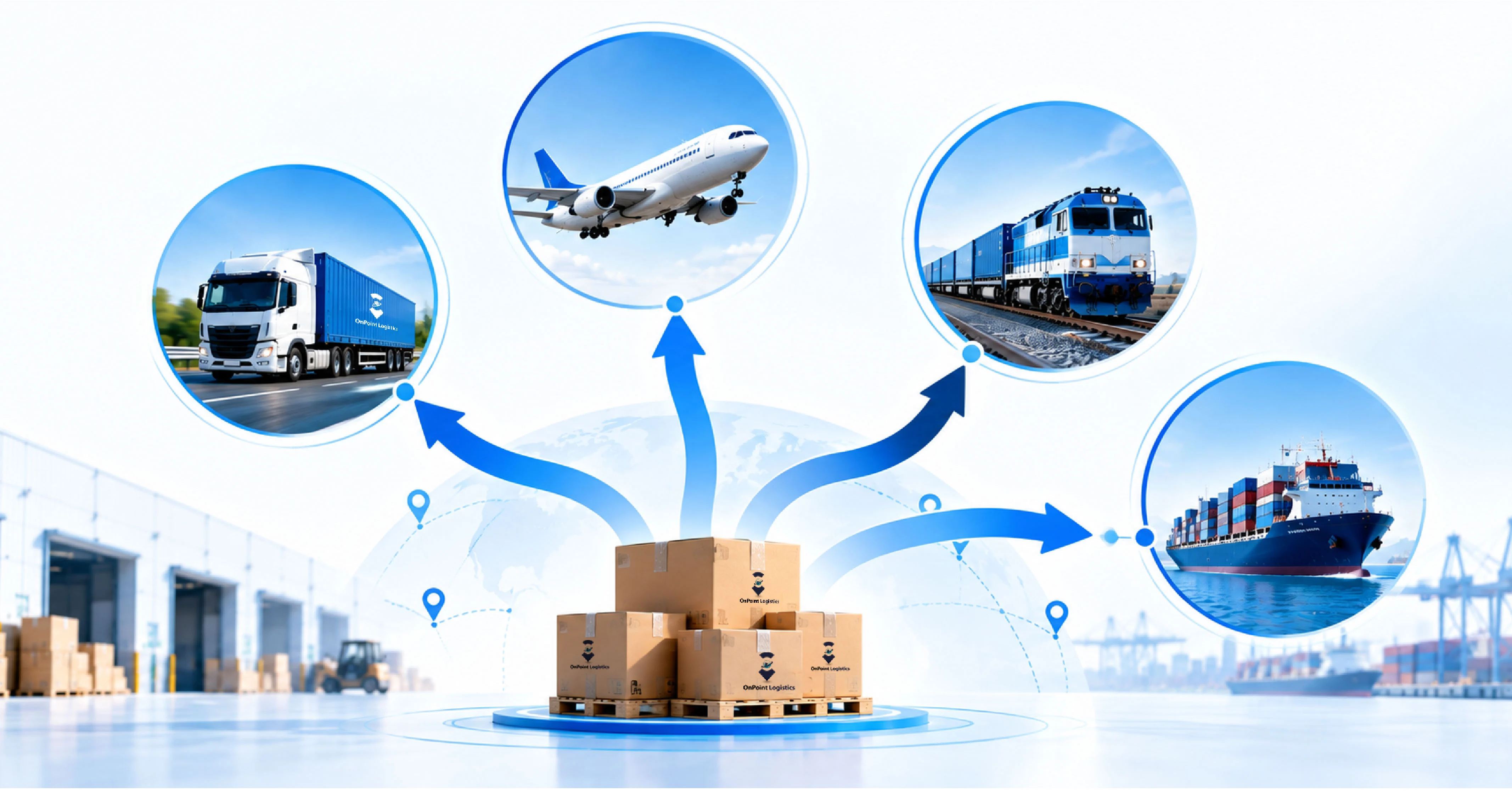
FTL can be appropriate when a shipment needs dedicated vehicle capacity, while PTL can suit smaller loads that do not require a full vehicle. The transportation of urgent shipments through air travel demands higher fees, while rail transport serves as an effective option for moving bulk goods across extended distances when customers accept standard delivery times.
The right choice depends on shipment size, urgency, destination, service commitment, and total movement cost. Choosing the right mode can support transportation cost optimization without treating delivery speed as the only priority.
Improving Vehicle Utilisation
Vehicle capacity should be treated as a resource. Reviewing shipment weights, dimensions, lanes and dispatch frequency can reveal opportunities to combine compatible consignments.
For recurring movements, planned consolidation can reduce partially utilised trips. Where volume is sufficient, a dedicated or full-load movement may provide a better cost per unit. For smaller or irregular shipments, shared capacity can avoid paying for unused space.
The objective is to reduce transport cost through better utilisation without holding shipments unnecessarily or compromising the required delivery window.
Smarter Route and Delivery Planning
The process of route planning determines how far vehicles will travel and what their expected arrival times will be. A functional plan needs to take into account delivery points, shipment priority, available vehicle space, road conditions, scheduled delivery times, and stop sequence.
The elimination of unnecessary backtracking, transfers, and idle time will result in reduced transportation costs. The delivery route becomes more efficient through a short extension, which eliminates redundant turns and handles challenging delivery times.
Businesses should compare planned routes with actual performance. If the same lane repeatedly creates excess kilometres, delays, or failed attempts, it indicates that route planning defects exist instead of carrier pricing problems.
Route KPIs
Keep route performance visible through a small set of practical measures:
- Planned vs actual kilometres
- Average delivery time
- Vehicle utilisation
- Route deviation
- Stops per trip
- Cost per kilometre
- On-time delivery percentage
Better route visibility can therefore help businesses reduce transport cost while protecting delivery performance.
Reducing Waiting and Reattempt Costs
Waiting can be easy to overlook, but a vehicle sitting idle still carries a cost. Driver time, vehicle capacity, and scheduled delivery slots are being consumed even when the shipment is not moving.
Organizations can reduce waiting periods by improving their dispatch team collaboration with warehouse and receiving facility operations. The system of appointment-based deliveries works best for locations that maintain fixed operating hours for their receiving areas.
The process of reattempts requires the same level of focus, which must match the attention given to initial attempts. A failed delivery needs another trip along with extra handling and further coordination between different departments. Verifying delivery details, receiving availability, and documentation before starting the shipment process can prevent avoidable repeat movements.
This practical source provides freight cost reduction because the savings come from better execution rather than simply negotiating a lower rate.
Using Technology for Better Cost Control
Technology is most useful when it improves decisions. Shipment tracking shows where goods are, while digital records make delivery events easier to review. Route and scheduling tools can help planners compare planned movement with actual performance.
Businesses should monitor cost per shipment, cost per kilometre, vehicle utilisation, on-time delivery, waiting time, reattempts, and route deviations. These measures give teams a clearer basis for identifying freight cost reduction.
Visibility also supports earlier intervention to reduce transport cost. If a shipment is delayed, teams can act before the expected delivery window is missed.
Balancing Cost With Delivery Speed
The cheapest movement is not always the most economical choice, and the fastest service is not always necessary.
It would be useful to categorize shipments based on their urgency and impact on the business. Critical items, urgent orders, and production-related shipments can require faster services. Regular replenishment may allow more flexible planning and consolidation.
This lets businesses protect important delivery commitments while still controlling transport spend. It also supports better transportation cost optimization over time. This approach gives businesses a practical way to reduce transport cost on shipments that do not require premium speed while protecting important delivery commitments.
The Hidden Costs Behind Freight
The expenses related to transportation create impacts that extend past the basic cost of shipping freight. The production process faces disruption when deliveries arrive late, which causes material shortages and forces warehouses to perform additional work. The initial transport invoice does not display these expenses, but they continue to influence the total expenses that come from shipping products.
The returns process creates a new set of operational challenges. Reverse movement requires companies to perform product retrieval, conduct inspection and sorting activities before they repackage items and send out replacement shipments. Tracking return reasons can reveal recurring causes such as incorrect items, damage, or delivery failures.
This broader view matters for logistics cost optimization because the goal is not simply to reduce the price of one shipment. It is to reduce avoidable costs across the movement of goods.
Choosing a Transportation Partner
Logistics providers should not be selected only on the basis of quoted freight charges. Inefficient shipment visibility, poor coordination, or unsuitable services optionsmay lead to more complications and extra costs for the business.
Some important factors that must be taken into consideration before making your decision:
- PTL and FTL capacity
- Coverage of required routes
- Shipment size requirements
- Shipment visibility and tracking
- Scheduling of delivery
- Support for urgent shipments
- Reporting and documentation
- Ability to accommodate changes in shipment volume
Businesses should understand how delays, changed delivery windows, and failed attempts are handled and whether shipment history and delivery records remain accessible.
How OnPoint Logistics Supports Efficient Transportation
When businesses need to reduce transport cost without weakening delivery commitments, the transport plan needs to match the shipment rather than forcing every movement into the same model.
At OnPoint Logistics, we support businesses with road express, PTL and FTL transportation, along with air and train express options for different shipment requirements. Our road express service includes route optimisation and real-time tracking, while scheduled and appointment delivery services support planned delivery requirements.
We also provide multi-mode transportation and 3PL and inventory management services, giving businesses options when transportation is connected with warehousing, inventory, or distribution.
Our focus is not simply on finding the lowest freight quote. We help businesses consider shipment requirements, capacity, timing, and visibility together so the transport plan supports both cost control and delivery performance.
Conclusion
Reducing transport spend does not require slower deliveries. The stronger opportunities usually come from removing avoidable movement, improving vehicle utilisation, planning routes carefully, reducing waiting and reattempts, and selecting the appropriate transport mode.
Start with actual shipment data. Identify the lanes, loads, delays, and exceptions that repeatedly increase spend. Then improve those areas while protecting the delivery commitments that matter.
When businesses measure cost and service together, they can reduce transport cost as part of a wider operating strategy rather than treating each freight bill as a separate expense. This broader view also strengthens logistics cost optimization over time.
FAQs
1. What would be the most effective way to manage transport costs without disrupting service?
Businesses need to pay close attention to how they manage vehicle utilisation, consolidation, efficiency of routes, waiting, failed deliveries, and mode of transportation. The purpose is to get rid of any unnecessary expenses without changing delivery windows.
2. What would be the most appropriate mode of transport for shipping for the business?
Choosing a mode of transport will depend on such factors as size of shipments, distance, urgency, delivery commitment, and movement costs. Different modes of transport suit different needs.
3. What would be some important route KPIs for logistics specialists to watch out for?
Some examples of route KPIs include planned vs. actual km driven, average delivery time, vehicle utilisation, route deviation, number of stops per trip, costs per km, and on-time delivery percentages.
4. Why does a low freight rate not necessarily imply lower logistics costs?
Freight rates might end up being more expensive because low rates will lead to more time spent, poorer utilisation, unnecessary handling, waiting, delivery failures, and other operational issues. Comparing costs of movement would be more relevant than freight rate.
5. How would returns affect transportation expenses?
Returns can create additional pickup, transportation, inspection, sorting, repacking, and replacement movements. Tracking return reasons can help businesses identify recurring causes and reduce avoidable reverse logistics activity.